 VPSUForm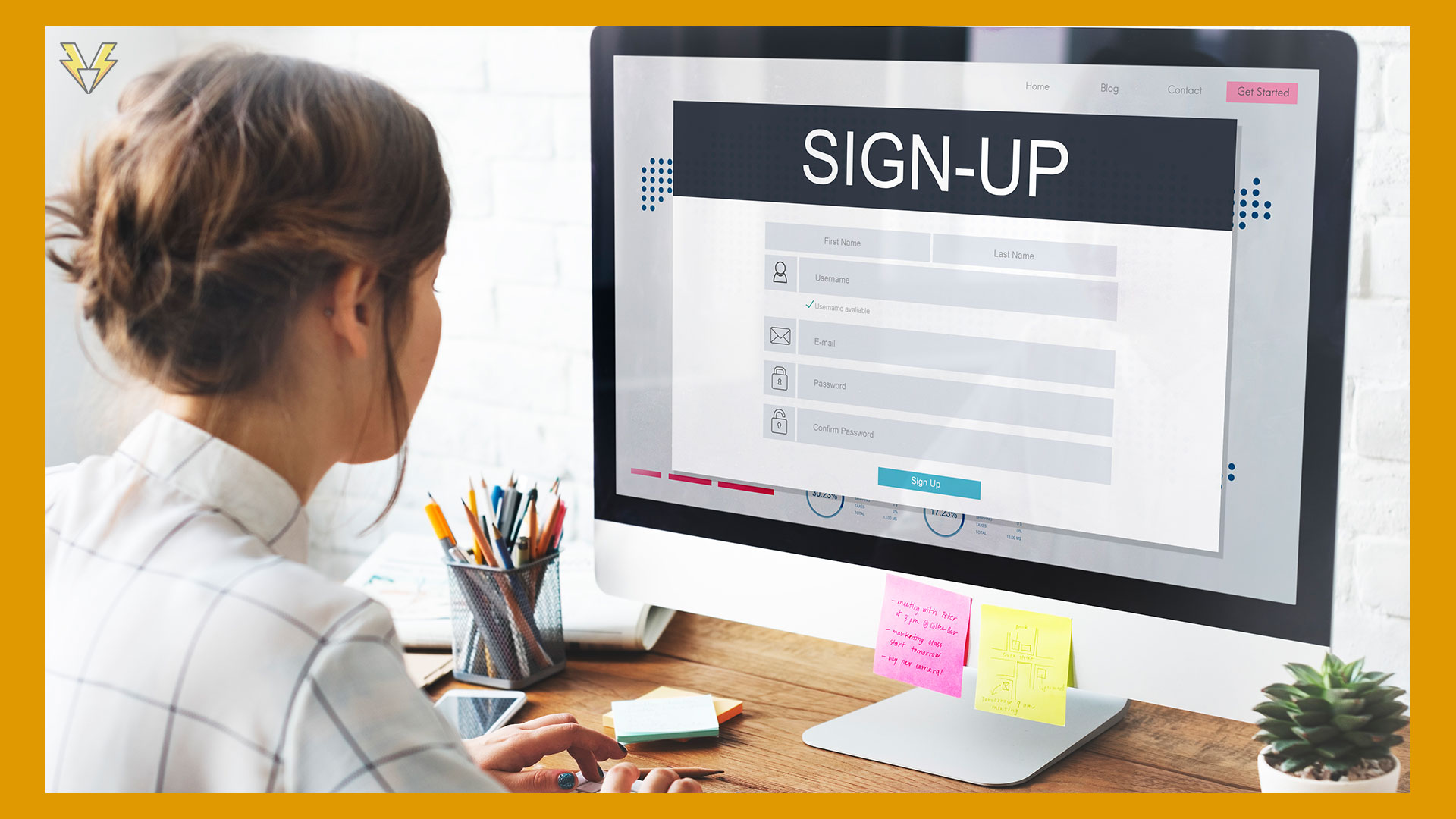
Local Service Business Forms - Get More Qualified Leads
Most local service business websites ask prospects to fill out forms with 8-12 fields: name, email, phone, company name, service type, preferred date, address, budget range, how they heard about you, and a description of the problem.
Then they wonder why 70% of people abandon the form.
Here's the brutal truth about local service forms: you only need 3 fields to get a qualified lead on the phone. Everything else either kills conversion or can be asked during the call.
Local service businesses that cut form fields from 8 to 3 see 20-30% increases in form completion, while their lead quality actually improves because they're forcing the conversation to happen (which is where real qualification happens).
Here's what your form should ask—and what's costing you jobs.
Why Local Service Forms Fail
Most local business websites convert at just 3-8% (including both form submissions and phone calls). But that's not because people don't want your service. It's because:
- Forms ask too much. Someone searching "emergency plumber near me" doesn't want to fill out their address, budget, and preferred date before talking to you. They want to talk to someone who can help right now.
- Forms don't work for mobile. 60-70% of local service searches happen on mobile. A form that works on desktop often breaks on mobile (fields zoom in weirdly, buttons aren't tappable, multi-select dropdowns are a nightmare).
- Phone calls convert better than forms. A local service customer would rather talk to a human than fill out a form. Yet most business websites hide the phone number or bury it below forms.
- Forms feel like gates. When someone has an urgent need (roof leak, burst pipe, no heat), asking them to "describe the problem in detail" or "select your preferred service date" feels like you're making them jump through hoops. They'll call a competitor instead.
- Forms don't qualify during submission. You collect data (address, service type, budget) but that data doesn't tell you if the lead is worth your time. The call does. The form is just friction.
The math: A business getting 100 form submissions at 15% conversion (15 calls) is outperformed by a business getting 300 form submissions at 5% conversion from fewer fields (15 calls), because the second business gets twice the appointment-setting conversations from the same traffic.
The Three-Field Form That Works
Every local service form needs exactly three things to get your team on a call with a qualified lead:
1. Name (Required)
First name only is fine. This is for your call script ("Hi [Name], this is...") and your CRM. Two words, done.
2. Phone Number (Required)
This is the whole point. Phone calls convert better than forms because they're immediate and personal. A prospect who fills out your form is saying "Call me." Make it as easy as possible.
Don't ask for both phone and email (forces them to choose, adds decision friction). Phone is enough.
3. What Do You Need Help With? (Required but Short)
A one-line description: "Clogged kitchen drain," "Roof leak in master bedroom," "AC not cooling," "Broken garage door." This is your demo customization signal.
Not a long text field. Something that takes 10 seconds to type. A dropdown with common issues works too ("Plumbing," "Electrical," "HVAC," "General"). Or a combination: "I have a [dropdown] problem with [short text field]."
That's it. Three fields. Done.
What NOT to Ask (Conversion Killers)
Email Address
Why teams add it: "We need their email for follow-up."
Why it kills conversion: You already have their phone number. Text and call are more effective than email for local service leads. Email is for campaigns and nurture, not for urgent needs.
Don't ask it on the form. Get it during the call if you need it.
Service Address or Zip Code
Why teams add it: "We need to know if they're in our service area."
Why it's bad: You can ask this on the call in 5 seconds. More importantly, if you've done good local SEO, they're probably already in your area (you shouldn't be ranking for searches outside your service zone anyway). Adding an address field doesn't improve qualification—it adds friction.
Ask during the call: "Where's the property located?"
Preferred Service Date
Why teams add it: "We need to schedule around availability."
Why it's friction: A prospect filling out your form at 10 PM probably needs service tomorrow, not in 3 weeks. Asking them to pick a date forces them to think about logistics before they've even talked to you. Remove it.
Discovery question: "When can we get someone out there?"
Budget/Price Range
Why teams add it: "We need to qualify before spending time on the call."
Why it's the worst field: A homeowner doesn't know if a roof repair costs $2,000 or $15,000 until you assess the damage. Asking them to pick a budget range upfront either scares them off (they pick too low) or wastes your time (they pick too high because they don't know). This field generates terrible data.
Never ask budget on the form. The diagnostic call determines price.
How Did You Hear About Us?
Why teams add it: "We need to track marketing ROI."
Why it's not a form field: You already know. If they found you via Google search, your UTM parameters tracked it. If they called from a Facebook ad, your call tracking knows the source. If they're a referral, they'll tell you on the call. This field collects data you already have while adding friction.
Remove it. Use UTM parameters and call tracking instead.
Company Name
Why teams add it: "We need to log their company in the CRM."
Why it matters less than you think: For residential service (plumbing, HVAC, roofing), company name is irrelevant—you're calling a homeowner, not a business. For commercial service, they'll mention it on the call. This field adds friction for almost no payoff.
Remove for residential. Ask on the call for commercial.
Local Service Form Templates by Business Type
Template 1: Residential (Plumber, Electrician, HVAC, Roofer)
Your name [text field]
Phone number [tel field]

What's the problem?
[Dropdown or short text]
Examples: Clogged drain, No heat, Burst pipe, Water heater leak

[CALL NOW] button

Trust signal below form:
- [4.8 stars] 247 Google reviews
- Licensed & Insured
- Same-day service available
Why this works: Three fields. The dropdown option pre-fills common issues (faster than typing). Trust signals build confidence. "Call Now" button is the CTA, not "Submit."
Template 2: Emergency Services (Locksmith, Towing, 24/7 Repair)
Your name [text field]
Phone number [tel field]

Is this an emergency?
[Yes - Urgent] [No - Can wait]

Brief description:
[Text field: locked out, flat tire, etc.]

[DISPATCH NOW] button

Red banner above:
🚨 We respond within 30 minutes
Available 24/7/365
Why this works: "Is this an emergency?" routes to different response times and pricing. Emergency leads get faster callback. "Dispatch Now" language signals urgency and action.
Template 3: Appointment-Based Services (Lawyer, Accountant, Consultant)
Your name [text field]
Phone number [tel field]

What do you need?
[Dropdown: Consultation, Quick question, Referral, Other]

[SCHEDULE CALL] button

Alternative: [Have a quick question? Text us]
Why this works: Appointment-based services can ask "what do you need" to route to the right person. Dropdown is faster than text. "Schedule Call" is the main CTA, but texting is an option for prospects who prefer async.
Template 4: Contractor/General Services (Remodeling, Landscape, Cleaning)
Your name [text field]
Phone number [tel field]

What service?
[Buttons or dropdown: Interior remodel, Exterior, Landscaping, Cleaning, Other]

[REQUEST FREE ESTIMATE] button

Or: [Get instant quote via text]

Below:
- Free in-home estimates
- No hidden fees
- Licensed & bonded
Why this works: Service type buttons let you pre-route. "Free estimate" or "free quote" is the value prop that makes people submit. Multiple CTAs (form vs text) let them choose their conversion path.
Phone vs. Form: Why Both Matter
Here's the local service reality: your phone number converts better than your form.
Someone with an urgent need (burst pipe, no heat, locked out) will call before they fill out a form. Someone without urgency will form-fill first, then decide if they want to talk to you.
So make the phone number prominent on every page, especially mobile.
On mobile, your click-to-call number should be:
- At the top of the page (not below the fold)
- Bright, tappable button (not tiny text)
- Actual clickable tel: link (not just text to copy)
Your form is the secondary conversion path for people who want to schedule later, ask questions in writing, or prefer not to talk on the phone right now.
Both matter. Phone gets urgent needs. Forms get planned work. Track conversion rates for both separately so you know which channel is working.
The Emergency vs. Non-Emergency Qualifier
Local service businesses have a hidden conversion advantage most don't use: emergency leads convert at 2-3x the rate of non-emergency leads.
Someone searching "emergency plumber near me" at 11 PM is ready to pay. Someone searching "plumbing services nearby" on a Tuesday afternoon is comparing prices and might wait.
Qualification shortcut: On your form or during the call, ask "Is this urgent or can it wait?"
If urgent:
- Quote a premium emergency price upfront
- Offer same-day or next-morning service
- Route to your best technician (high show-up rate)
- Confirm appointment immediately
If non-urgent:
- Schedule for next available opening (3-7 days out)
- Quote standard pricing
- Route to junior technicians (build experience)
- Send a text reminder 24 hours before
This single question changes your economics. Emergency booking rates: 25-40%. Non-emergency: 10-20%. Same lead source, massively different conversion rates based on urgency.
Response Time Is Everything
For local service businesses, speed to first contact is a conversion multiplier.
Conversion probability:
- Within 5 minutes: 70%+ booking rate
- Within 30 minutes: 40-50% booking rate
- Within 1 hour: 25-35% booking rate
- Next business day: 10-15% booking rate
If someone fills out your form requesting emergency service at 9 PM, and you call them at 9:03 PM, your booking rate is 2x higher than a competitor who calls the next morning.
This means:
- Staffing your phones during peak hours (evenings, weekends for most services)
- Setting up automated instant text/SMS confirmation ("Thanks for reaching out, we'll call within 10 minutes")
- Having a clear handoff process from form to technician (no queuing, no review step)
- Tracking response time by lead source so you know which channels need faster callback
A business that responds within 5 minutes to form submissions converts at 3-4x the rate of one that responds within 24 hours. That's not opinion—that's the booking rate data across home services.
Trust Signals That Belong on Your Form
Local service customers invite strangers into their homes. Trust is everything.
Put these directly on or immediately above/below your form:
- Google reviews with star rating: "4.8 stars, 312 reviews." Specific numbers work better than generic "highly rated."
- Licenses and certifications: "Licensed plumber #12345," "EPA certified," "Bonded & insured."
- Years in business: "20+ years serving [Your City]" signals stability.
- Emergency availability badge: "Available tonight" or "Same-day service" for urgent needs.
- Customer photo testimonial: Not text quotes—actual customer photos and names. "John S., Springfield" with a real photo of them in their home.
- Specific service guarantees: "30-minute arrival window" or "If we can't fix it today, no charge for the visit."
These signals should be visible on mobile. A prospect on their phone looking for a plumber at midnight wants proof you're real, licensed, and available. Give it to them.
Mobile Optimization: The Real Conversion Killer
70% of local service searches happen on mobile. If your form isn't mobile-optimized, you're abandoning most of your traffic.
Mobile form checklist:
- [ ] Form fields are large enough to tap (minimum 44x44px)
- [ ] No horizontal scrolling required
- [ ] Phone number field uses tel input type (auto-formats, opens dialer)
- [ ] Form is single-column (not 2-column side-by-side)
- [ ] Submit button is at the bottom, tappable (not hidden)
- [ ] Click-to-call phone number is at the top of the page
- [ ] Form doesn't reload on submit (feels instant)
- [ ] Confirmation message appears after submit (not a separate page)
- [ ] Page loads in under 3 seconds (page speed matters for local mobile)
If your form feels clunky on mobile, you're losing 70% of your leads to competitors with better mobile forms.
The Real Talk: Booking Rate vs. Form Completion
Most local service businesses obsess over form completion (how many people fill it out) and ignore booking rate (how many actually book a job).
Here's where the real money is:
A business with 50 form submissions at 40% booking rate = 20 booked jobs
A business with 200 form submissions at 5% booking rate = 10 booked jobs
The first business makes more money despite getting 75% fewer leads, because they're only converting qualified prospects (which a 3-field form naturally selects for).
Don't optimize for form submissions. Optimize for booked jobs per dollar spent.
A 3-field form will reduce submissions by 30-40% compared to an 8-field form. But it increases booking rate by 50-100% because:
- Only motivated people fill it out
- You move to the phone faster (where real qualification happens)
- Your team doesn't waste time on lazy leads
- Response time is faster (simpler workflow)
The math: Fewer, hotter leads that book at higher rates beats more, colder leads that book at lower rates every time.
The Bottom Line
Your local service form is probably asking too much. Most ask 8-12 fields when they need three.
Audit your form right now. Cut it down to:
1. Name (first name only)
2. Phone (required, clickable)
3. What's the problem? (dropdown or short text)
Delete everything else. Email, address, budget range, service date, company name, "how did you hear about us"—move these to the call or enrich them after submission.
Put your phone number at the top of the page. Make click-to-call your primary CTA on mobile. Add trust signals (reviews, licenses, emergency availability).
Respond to form submissions within 5 minutes. Track booking rate by lead source.
Within 30 days, your form completion will drop 20-30% but your booked jobs will increase. That's the goal. Fewer forms means better leads, and better leads book at 2-3x the rate.